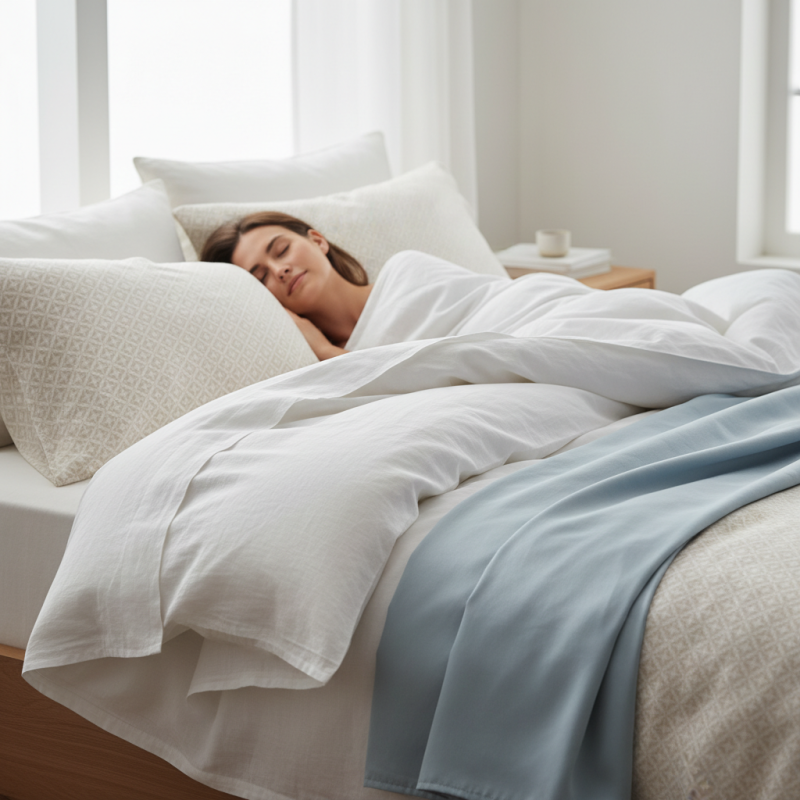
2026 Best Bedding Fabric Suppliers to Enhance Your Sleep Quality?
In the quest for quality sleep, the choice of bedding fabric plays a crucial role. As noted by sleep expert Dr. Lisa Morgan, “The right bedding fabric can transform your sleep experience.” With countless options available, selecting the best bedding fabric suppliers becomes essential.
High-quality fabrics not only enhance comfort but also contribute to better sleep hygiene. Many consumers overlook this important aspect. Choosing the wrong fabric can lead to discomfort or overheating at night. Experts emphasize that bedding should be breathable and soft.
This article delves into the top bedding fabric suppliers for 2026, offering insights that can elevate your bedtime routine. We'll explore what makes these suppliers stand out. Let’s discover how to enhance your sleep quality through the right fabric choices.
Introduction to Bedding Fabrics and Their Impact on Sleep Quality
Bedding fabrics play a crucial role in our sleep quality. Choosing the right material can significantly enhance comfort. Fabrics like cotton, linen, and bamboo are popular choices. They offer breathability and softness, promoting a better night’s rest.
Consider how different fabrics feel against your skin. Cotton is soft and gentle, while linen adds a cooling effect, perfect for warm nights. Each fabric type has distinct characteristics that can make or break your sleep experience. However, not all bedding fabrics are equally respectful to sensitive skin. Some may cause irritation or allergies.
Think about maintenance as well. While some fabrics require delicate care, others are easy to wash and maintain. This difference can affect your decision. Reflect on your preferences and needs. An ideal fabric should enhance comfort and be practical. Each choice comes with its flaws and merits. Understanding bedding fabrics deeply can lead to a more restful sleep.
Impact of Bedding Fabric Types on Sleep Quality
Key Factors to Consider When Choosing Bedding Fabric Suppliers
When choosing bedding fabric suppliers, quality is paramount. Look for materials that offer comfort and durability. Fabrics like cotton, linen, and bamboo are popular choices. They breathe well and help regulate temperature. However, they can vary in quality, making research essential. Reading reviews can guide you toward reliable options.
Sustainability is another important factor. Many consumers prefer eco-friendly fabrics. Suppliers who prioritize sustainability may use organic materials or ethical production methods. This not only benefits the environment but also your sleep space. The impact of fabric on sleep quality is often underestimated. Improper choices can lead to discomfort and disturbed rest.
Finally, pricing should also be considered. While premium fabrics often promise better quality, budget constraints are common. Balancing cost and quality can be tricky. Avoiding impulse purchases is vital. Reflecting on your specific needs can lead to better decisions. Don't rush this process; your sleep deserves thoughtful consideration.
Top 2026 Bedding Fabric Suppliers for Comfort and Durability
Choosing the right bedding fabric is crucial for a good night's sleep. Reports indicate that around 30% of adults experience sleep disturbances due to uncomfortable materials. Softness, breathability, and durability are key factors to consider when selecting bedding. Cotton remains a popular choice due to its natural feel and moisture-wicking properties. However, not all cotton is created equal.
In recent studies, microfiber and bamboo fabrics emerged as strong contenders. Microfiber is soft and durable, yet some consumers report it may not hold up as well over time. Bamboo fabric offers breathability and is eco-friendly, but it requires careful maintenance to avoid wear.
Most consumers overlook the importance of fabric durability. Around 20% of bedding buyers replace their items less frequently than recommended, leading to compromised sleep quality. Quality bedding can last for years, but regular assessments are necessary. Next time you shop for bedding, think critically about your choices and their long-term effects.
Innovative Fabrics: Enhancing Sleep Quality through Technology
The evolution of sleep technology in bedding fabrics is impressive. Innovative materials are being developed to enhance comfort and promote better sleep quality. For instance, fabrics infused with cooling properties help regulate body temperature during the night. This is especially beneficial for those who often wake up feeling hot.
Additionally, sleep-enhancing fabrics can incorporate antimicrobial properties. This helps keep your bedding fresh and clean, reducing allergens and odors. Many people struggle with allergies, and using such fabrics can lead to a more restful sleep. Textiles designed for breathability and moisture-wicking also play a significant role. They support a dry, comfortable sleeping environment.
However, not all innovative fabrics meet expectations. While high-tech options exist, they may not suit everyone’s needs. Some people find synthetic blends less comfortable than natural fibers. It's important to test different options to find the best fit for your sleep habits. Exploring these advancements is worthwhile, but personal comfort should always come first.
Sustainability in Bedding Fabrics: Eco-Friendly Supplier Choices
Sustainability in bedding fabrics is crucial today. Consumers increasingly demand eco-friendly options. According to a recent industry report, about 70% of shoppers prioritize sustainability in their purchases. This trend shapes the bedding market significantly.
Natural fibers like organic cotton and bamboo are popular choices. These materials are biodegradable and reduce environmental impact. A study indicated that organic cotton farming uses 88% less water than conventional methods. Yet, some brands still struggle to source materials responsibly. They face challenges in ensuring fair labor practices across their supply chains.
While many suppliers promote eco-friendly fabrics, transparency is key. Consumers need to know the origin of their bedding materials. A report noted that 40% of brands failed to provide clear information. This lack of clarity raises questions about true sustainability practices. Moving forward, improved communication from suppliers can help consumers make better choices. Ensuring a balance between sustainability and quality is vital for enhancing sleep experiences.
2026 Best Bedding Fabric Suppliers to Enhance Your Sleep Quality
| Supplier Type | Fabric Materials | Sustainability Practices | Certifications | Customer Ratings |
| Organic Cotton Supplier | Organic Cotton | Water Conservation, No Pesticides | GOTS Certified | 4.7/5 |
| Bamboo Fabric Supplier | Bamboo Viscose | Biodegradable, Renewable Resources | OEKO-TEX Standard 100 | 4.5/5 |
| Linen Supplier | Linen | Low Water Usage, Pest Resistance | EU Ecolabel | 4.8/5 |
| Recycled Polyester Supplier | Recycled Polyester | Plastic Waste Reduction | Recycled Content Certification | 4.6/5 |
| Hemp Fabric Supplier | Hemp | Sustainable Crop, Low Environmental Impact | Hemp Eco Certification | 4.9/5 |



 Close
Close