7 Best Longer Laser Cutters for Global Buyers
Choosing a longer-format laser cutter is rarely about bed size alone. Global buyers must compare cutting area, laser power, accuracy, software, and support. A Longer Laser Cutter may handle wide panels efficiently, but a larger frame also needs more workspace and stable installation. Measure your workshop first. Small details matter.
This guide examines seven longer laser cutters for different user needs and production goals. The selection considers manufacturer specifications, real operating requirements, material compatibility, maintenance, and reported user experience. We look closely at how each machine manages plywood, acrylic, cardboard, and other commonly approved materials. Cutting speed is useful, but clean edges and repeatable results matter more for daily work. Safety features also deserve careful attention, including enclosure design, ventilation, emergency stops, and alignment systems. Buyers should confirm local electrical, ventilation, and import requirements before ordering. Specifications can change.
The strongest option for one buyer may not suit another. A school, sign workshop, craft studio, and small manufacturer often need different priorities. Some models offer generous working space but require more calibration. Others are easier to install yet provide less production capacity. No ranking is perfect. Hands-on results can vary with lenses, materials, humidity, and operator skill. This comparison aims to make those trade-offs clearer, using practical details rather than impressive numbers alone. Read the specifications carefully. Then match the machine to your actual workflow, budget, and technical confidence.
What Makes Longer Laser Cutters Suitable for Global Buyers
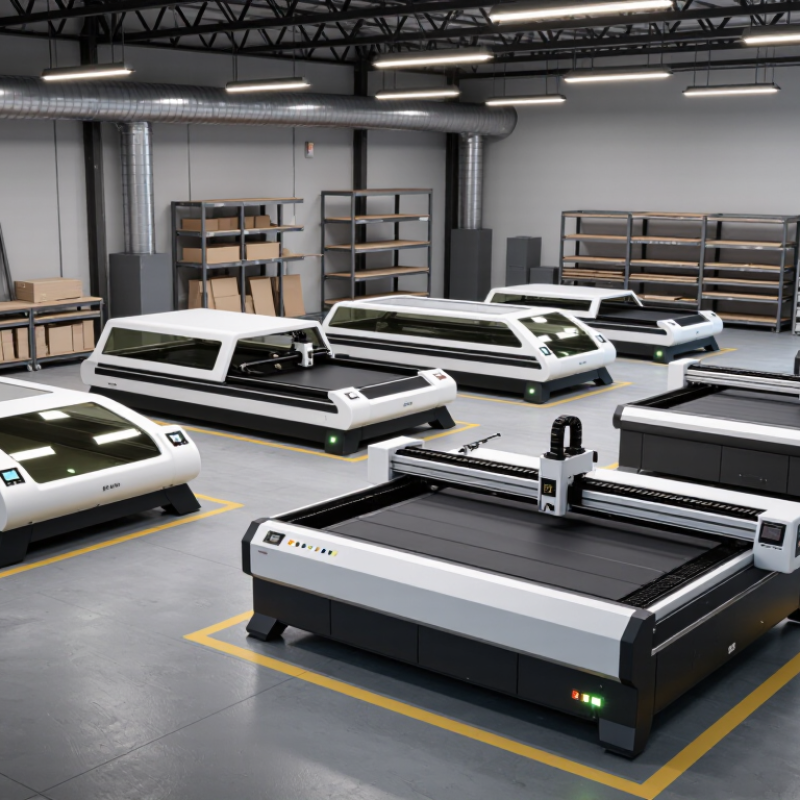
For global buyers, longer laser cutters are practical when projects exceed the limits of compact desktop machines. A wider working area can handle full panels, signs, furniture parts, and repeated batches with fewer cuts. That saves setup time. It also reduces alignment errors between sections. In real workshops, this matters when material costs and delivery schedules are tight.
International purchasing requires more than measuring the workbed. Buyers should check voltage options, plug compatibility, shipping dimensions, and local service availability. Clear manuals and replaceable components make routine maintenance less stressful. A reliable machine should include protective covers, emergency controls, airflow management, and suitable extraction guidance. These features support safer operation across different workplaces and regulatory environments. Confirm material compatibility before cutting, especially with coated, composite, or unfamiliar sheets.
Longer machines are not automatically better. They need more floor space, stronger ventilation, and careful leveling. A large bed can become wasteful if most projects are small. I would also question unclear speed claims, because performance changes with material, thickness, focus, and cutting settings. That part is easy to overlook. Buyers should request test results, warranty conditions, and realistic support response times before ordering. My own preference would be a slightly slower machine with stable calibration and accessible documentation. It may feel less impressive, but dependable daily work usually matters more than a dramatic specification sheet.
Key Specifications for Comparing Seven Longer Laser Cutter Models
Comparing seven longer laser cutter models requires more than reading their advertised wattage. Start with optical output, laser type, and usable work area. A diode system may handle wood, leather, and coated materials, while a CO₂ system usually offers broader cutting capability. Check the stated cutting thickness carefully. It often depends on material density, moisture, and multiple passes.
Speed figures need practical context. A listed maximum may describe an empty head moving across the frame. Real production slows during corners, dense engravings, and repeated passes. Compare acceleration, positioning accuracy, and whether the machine maintains stable power. A 400 × 400 mm work area suits small signs, but larger panels need fewer repositioning steps. That detail affects both accuracy and time.
Air assist, exhaust design, and an enclosed working chamber deserve equal attention. They can reduce smoke, protect lens cleanliness, and improve edge quality. Look for flame monitoring, lid interlocks, emergency stopping, and recognized electrical safety documentation. Software compatibility matters too, especially for SVG, DXF, and raster workflows. Camera alignment sounds useful, but calibration can drift. I would verify it with a printed test grid before trusting precise placement. Warranty coverage, replacement parts, voltage requirements, and technical support reveal how practical each model is for international buyers. Shipping damage is another overlooked risk.
The Seven Best Longer Laser Cutters by Use Case and Performance
The seven best longer laser cutters should be judged by use case, not advertising claims. The strongest choice for beginners is a compact diode model with guarded motion, simple focusing, and reliable air assistance. A CO2 machine suits acrylic, wood, and signage work. A higher-power enclosed model handles thicker plywood and repeated workshop production. For metal marking, a fiber system is more appropriate than a diode unit. It is not a universal cutter.
For craft studios, prioritize low noise, camera alignment, and quick material changes. For schools, enclosed operation and interlocks matter more than peak wattage. For small businesses, bed size, exhaust capacity, and repeatability deserve closer attention. For furniture parts, choose a rigid frame with a larger working area. For fine engraving, motion accuracy and controlled spot size are critical. For mixed materials, test samples before purchase. Some published performance figures feel optimistic.
The global laser cutting machine market was valued at approximately 7.1 billion dollars in 2023, according to Grand View Research, with continued growth expected through 2030. MarketsandMarkets projects the market to rise from about 6.8 billion dollars in 2023 to 10.3 billion dollars by 2028. These figures indicate expanding demand, but they do not guarantee equal machine quality. Buyers should verify cutting tests, warranty terms, replacement-part access, and documented compliance with IEC 60825-1 and relevant machinery-safety requirements. A longer rail may improve throughput, yet poor extraction can still ruin a workshop. Small details often decide performance.
7 Best Longer Laser Cutters for Global Buyers
The seven best laser cutter categories by use case and typical working-area performance
The chart compares seven common laser-cutter configurations using representative nominal working areas from published market specifications. Larger work areas generally support bigger projects or higher batch throughput, while the best choice depends on material, required detail, available space, and production volume. Values are brand-neutral benchmarks rather than company-specific specifications.


 Close
Close