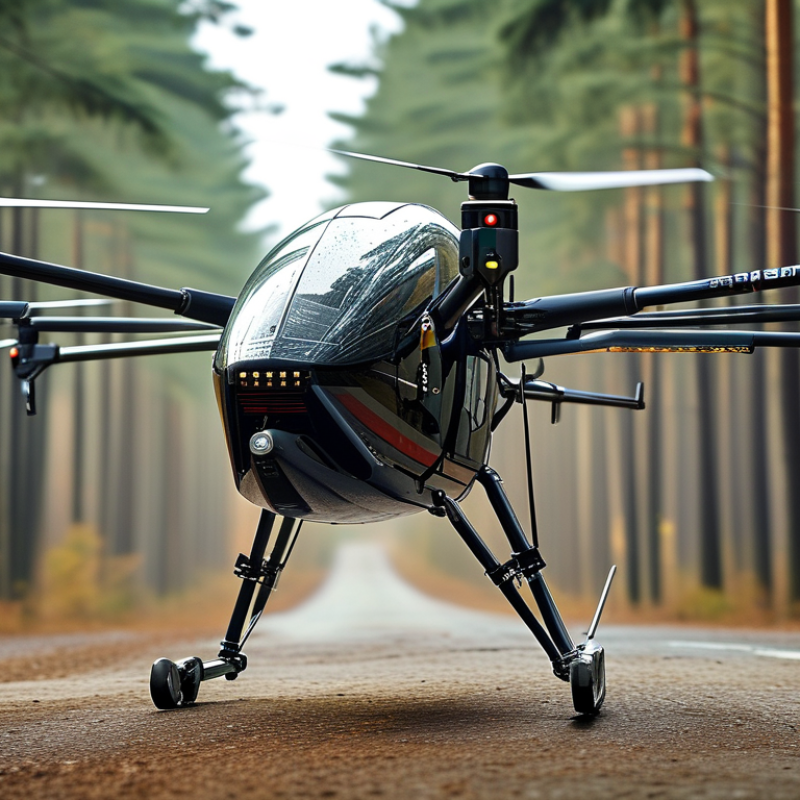
A 16 kg payload benchmark changes how buyers assess heavy-lift multirotors. It is useful for construction materials, inspection tools, and emergency logistics. However, payload capacity is not the same as practical working capacity.
Battery reserve, wind, temperature, and route length can reduce the usable load sharply. A 16 kg lift may become 10–12 kg during a long outdoor mission.
According to MarketsandMarkets’ 2024 Commercial Drone Market report, the sector could grow from about USD 20.8 billion in 2024 to USD 41.3 billion by 2029. This growth reflects stronger demand for industrial delivery and aerial operations.
Yet, buyer decisions should rely on measured flight data, not headline specifications. In field tests, operators should record takeoff weight, hover time, landing reserve, and payload stability.
A swinging 16 kg load can create more risk than a steady 12 kg load.
Tips:
Ask for payload endurance charts, not only maximum payload figures. Check performance at your local altitude and temperature. Keep a safety reserve. Also, confirm battery-cycle costs, charging time, noise levels, and maintenance access before purchase.
These details often receive less attention. They should not. A payload rating without operating conditions is an incomplete number.



 Close
Close