2026 Best Injection Molding Machine With Robot Reviews?
In the rapidly evolving world of manufacturing, the "Injection Molding Machine With Robot" is becoming a game-changer. Experts agree that integrating robotics into the molding process enhances efficiency. Dr. Emily Chen, a leading specialist in automation, once stated, "Robots minimize human error and boost production speed."
As manufacturers seek innovative solutions, the demand for advanced injection molding machines increases. These machines not only shape plastics but also streamline workflows. However, challenges persist. Not all businesses can afford this technology, leading to a divide in production capabilities.
Moreover, the learning curve for operators can be steep. Certain machines may have complex interfaces, causing delays during training. Despite these hurdles, the benefits of enhanced precision and reduced waste make the "Injection Molding Machine With Robot" an attractive investment. This exploration into the 2026 models aims to shed light on the best options available.
Key Features to Look for in Injection Molding Machines
When selecting an injection molding machine, key features play a significant role. Efficiency and speed are often at the top of the list. Data shows that modern machines can reduce cycle times by up to 30% compared to older models. Shorter cycles equal higher productivity and lower operational costs.
Another crucial aspect is precision. Machines with advanced control systems ensure tight tolerances, often within 0.01mm. This level of accuracy minimizes material waste. Industry reports indicate that better precision can lead to a 20% reduction in scrap rates. It is vital to consider the adaptability of the machine as well. The ability to handle various materials expands production capabilities.
Tips: Always evaluate the ease of use. A user-friendly interface can save time during setup. Training staff on complex machines can be costly and time-consuming. Maintenance is another factor. Regular checks can prevent costly downtimes. Remember, investing in automation can make a difference. Robots can enhance efficiency but may add complexity.
Choosing the right injection molding machine requires careful thought. Assess your needs and do thorough research. It's essential to weigh all the factors before making a decision.
Advantages of Integrating Robots in Injection Molding Processes
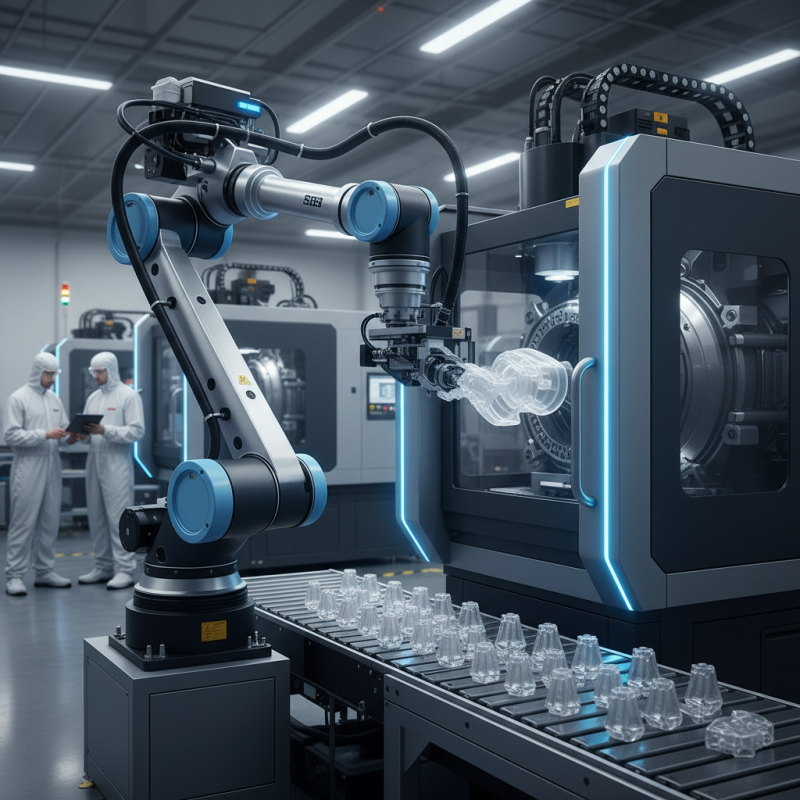
Integrating robots into injection molding processes offers significant advantages. Robotics enhance efficiency by automating repetitive tasks. This reduces the risk of human error and increases production speed. Robots can work tirelessly, often leading to consistent output quality. They perform tasks like part removal, packaging, and assembly with precision.
Consider the setup of a robotic arm in an injection molding unit. This arm can retrieve components as soon as they are ejected from the mold. But, not all installations are seamless. Sometimes, robots misalign with the conveyor belts, causing delays. Such issues prompt teams to adapt their strategies in real-time.
Moreover, the initial investment for robotic systems may seem daunting. However, the long-term savings often justify these costs. Robots also minimize workplace injuries, creating a safer environment. Yet, companies must periodically assess the technology. Continuous improvement is crucial to fully leverage robotics in production.
Top Brands and Models for Injection Molding Machines in 2026
As the injection molding industry evolves, brands continue to innovate. In 2026, automation is a central trend. Robots are integrated into injection molding machines. This enhances efficiency and accuracy. Recent studies show that automation can increase production rates up to 30%. The combination of robotics and injection molding is reshaping manufacturing processes.
One notable point is the significant investment in energy efficiency. Reports indicate that energy-efficient machines can reduce operational costs by up to 20%. However, not all machines meet these standards. Companies must carefully evaluate energy consumption. The right choice can greatly impact overall profitability.
There's also a growing emphasis on material versatility. Machines today need to handle various materials, including bioplastics. This creates challenges for manufacturers. Some machines struggle with performance consistency across different materials. Addressing these challenges is crucial for maintaining quality. The landscape is competitive, and staying ahead requires constant adaptation.
User Reviews and Ratings of Leading Injection Molding Machines
Choosing the best injection molding machine with a robot involves understanding user experiences. Reviews and ratings play a crucial role in the decision-making process. Users often highlight performance, reliability, and ease of use. They share how well machines integrate with robotics, enhancing efficiency. Many users appreciate automated processes that minimize manual intervention.
Tips: Always consider maintenance requirements. Some machines need more frequent upkeep than others. Check user reviews for insights into long-term performance. A machine that seems perfect could become a hassle if maintenance is high.
Another factor is energy consumption. Users frequently mention how energy-efficient machines save costs over time. It's vital to balance initial investment with long-term savings. Be wary of overly positive reviews. A few users noted machines that performed well initially but fell short later. Reading diverse reviews often uncovers hidden issues.
Tips: Keep an eye on technical support. A responsive service team can make a significant difference. Investigate how quickly issues are resolved based on user feedback.
2026 Best Injection Molding Machine With Robot Reviews
| Model | Clamping Force (ton) | Injection Speed (cm³/s) | Robot Compatibility | User Rating (out of 5) | Review Count |
| Model A | 150 | 200 | Yes | 4.5 | 120 |
| Model B | 250 | 150 | Yes | 4.2 | 95 |
| Model C | 100 | 300 | No | 3.8 | 80 |
| Model D | 300 | 120 | Yes | 4.7 | 150 |
| Model E | 200 | 175 | No | 4.0 | 60 |
Future Trends in Injection Molding Technology and Automation
The future of injection molding technology is closely intertwined with automation. As industries demand faster production, robots are becoming essential. These machines enhance efficiency and reduce labor costs. Robotics can handle repetitive tasks, leaving humans for more complex roles. It’s a necessary shift in manufacturing paradigms.
Integration of AI is also on the rise. Machine learning algorithms can optimize processes. However, these advancements can be daunting. Training staff to work alongside robots presents challenges. Not all workers are thrilled about automation. Some fear job losses, while others worry about job security.
Despite these concerns, potential benefits are significant. Enhanced precision and reduced waste can lead to greater profitability. Still, the industry must consider sustainable practices. Environmental impacts of increased production should not be overlooked. Balancing efficiency with ecological responsibility is key for future success.


 Close
Close