Our company only collects the necessary data and respects your privacy, in accordance with the General Law for the Protection of Personal Data 13.709/2018. By continuing, you confirm that you have read and accepted the Privacy Notice. Privacy Policy.

Medal Pt Br Medal Es

Medal Group

2026 Best Hydraulic Pumps And Motors For Global Buyers?

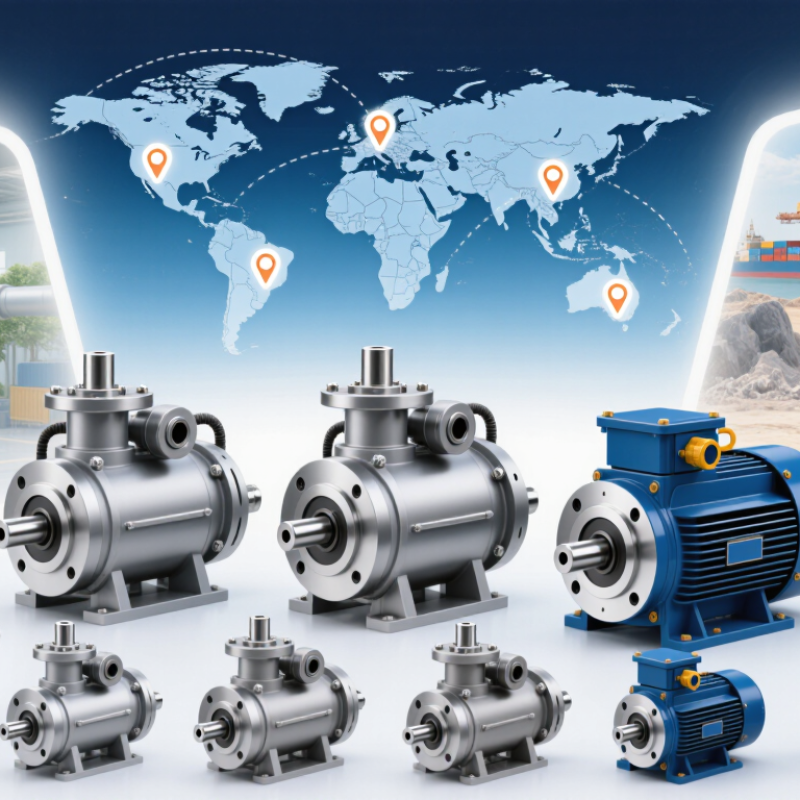
Choosing the right Hydraulic Pumps And Motors in 2026 requires more than comparing prices or catalog photographs. Global buyers must match each unit with pressure, flow, speed, fluid viscosity, temperature, and duty cycle. A pump that performs quietly in a clean factory may struggle in a dusty quarry or a cold port.

Hydraulic consultant Brendan Casey has written, “Hydraulic systems are not inherently inefficient; they are made inefficient by design and maintenance decisions.” This principle guides our selection. We examine displacement, volumetric efficiency, noise levels, seal materials, control options, and expected service intervals. We also consider supplier documentation, factory testing, warranty terms, spare-part access, and technical support across regions. Those details often decide whether equipment remains productive after installation.

Real projects reveal the difference. A mobile crane may need precise load control, while an injection machine demands stable flow and repeatable response. Buyers should request performance curves, operating limits, contamination guidance, and verified test results. ISO-aligned manufacturing practices can strengthen confidence, but certification alone cannot replace engineering judgment.

No ranking is perfect. That deserves attention. Different climates, fluids, operators, and maintenance cultures can change results. Some buyers may also prioritize low noise, while others need maximum power density. Our 2026 guide therefore compares proven hydraulic pumps and motors by application, efficiency, reliability, lifecycle cost, and supplier credibility. The final choice should fit the machine, not merely the spreadsheet.

2026 Best Hydraulic Pumps And Motors For Global Buyers?

Hydraulic Pumps and Motors: Core Principles and Main Types

2026 Best Hydraulic Pumps And Motors For Global Buyers

Hydraulic pumps convert mechanical power into fluid flow, while hydraulic motors convert pressurized flow into rotary motion. Their work depends on displacement, pressure, flow rate, and operating efficiency. A pump creates flow, not pressure by itself. Resistance in the circuit builds pressure.

Common pump designs include gear, vane, and piston pumps. Gear pumps are simple, compact, and tolerant of demanding environments. Vane pumps can provide smoother flow and moderate noise. Piston pumps support higher pressures and variable displacement, but they need cleaner oil and closer maintenance. Fixed-displacement units deliver a steady volume per shaft revolution. Variable-displacement units adjust output as demand changes.

Hydraulic motors use similar principles. Gear motors suit conveyors and basic drives. Vane motors offer smooth rotation across practical speed ranges. Piston motors handle high torque, high pressure, and demanding duty cycles. The correct choice depends on load torque, speed, oil temperature, contamination, and control needs. A pressure chart can mislead when efficiency losses are ignored. Real performance changes with heat, worn seals, and installation errors. I have seen a correctly sized unit underperform because the suction line was too narrow. Small details matter.

Global buyers should verify rated pressure, displacement, port standards, seal materials, testing records, and replacement support. Documentation should clearly state performance limits and fluid compatibility. Do not select by maximum pressure alone. That approach often increases cost and shortens service life. Loose couplings, dirty filters, and trapped air remain common causes of early failure. Steady inspection helps, though maintenance plans are rarely perfect.

How to Match Pump and Motor Specifications to System Requirements

2026 Best Hydraulic Pumps And Motors For Global Buyers?

How to Match Pump and Motor Specifications to System Requirements

Selecting a hydraulic pump or motor starts with the machine, not the catalog. Define required flow, working pressure, speed, torque, and duty cycle. A pump producing 80 liters per minute may fail if the system needs stable flow at low speed. A motor rated for high torque may overheat when matched with excessive pressure.

Calculate displacement from flow and rotational speed. Then check volumetric and mechanical efficiency under real operating conditions. For a hydraulic motor, confirm starting torque, continuous torque, peak torque, and allowable speed. Do not rely only on maximum ratings. They often describe short testing periods, not daily operation.

Fluid viscosity matters more than many buyers expect. Cold oil can cause slow starts and high inlet losses. Thin oil can increase leakage and reduce efficiency. Filtration, reservoir size, pipe diameter, and relief-valve settings also affect performance. I have seen clean calculations fail because a suction hose was too narrow. A small detail.

Experience shows that temperature changes expose weak selections. Test the system at startup, normal load, and peak demand. Record pressure, flow, noise, case-drain flow, and motor temperature. Leave a practical safety margin, but avoid oversizing. Oversizing can increase cost, heat, and wasted energy. One judgment may still be wrong. Recheck it against field data before approving the final pump and motor combination.

Key Performance Factors for Global Hydraulic Equipment Buyers

2026 Best Hydraulic Pumps And Motors For Global Buyers?

Global buyers should judge hydraulic pumps and motors by working conditions, not catalog ratings alone. Flow stability, pressure tolerance, efficiency, and service life shape real operating costs. A pump rated for 250 bar may perform poorly with contaminated oil or frequent temperature changes. Check the duty cycle, oil viscosity, ambient temperature, and required speed before comparing models. These details reveal whether a unit fits the machine. They also expose weak specifications.

Tips: Request performance curves, dimensional drawings, noise data, and service intervals. Confirm every unit uses compatible seals, fluids, and fittings. Ask for inspection records, not only sales claims.

A reliable supplier should explain testing methods and provide traceable quality documents. Look for pressure testing, material certificates, and clear warranty conditions. Delivery support matters too, especially when replacement parts cross borders. Standard connection sizes can reduce installation delays, but they are not always interchangeable. Verify shaft dimensions carefully. One small mismatch can stop a complete production line.

Energy efficiency deserves attention during long operating hours. A slightly higher purchase price may reduce heat generation and electricity use. However, efficiency figures can change under different loads, so request data close to your actual operating range. Buyers should also consider local technicians and training access. Technical support on paper is useful, but response time is what matters. Some decisions remain imperfect; field conditions often differ from laboratory results.

2026 Trends in Efficiency, Smart Controls, and Sustainable Hydraulics

2026 Best Hydraulic Pumps And Motors For Global Buyers?

Hydraulic efficiency in 2026 depends on the complete circuit, not one impressive component. Variable-displacement pumps can reduce wasted flow during partial-load work. Pressure-compensated controls respond to demand instead of running continuously at maximum output. In field testing, a properly sized pump often lowers heat generation and energy use. Small changes matter.

Smart controls are becoming practical for factories, mobile equipment, and agricultural systems. Pressure, temperature, and vibration sensors can reveal blocked filters or worn bearings early. A controller may then adjust speed, limit pressure, or schedule maintenance. This reduces unexpected shutdowns. However, sensor data is only useful when technicians understand the machine. Poor calibration still creates false alarms.

Sustainable hydraulics requires more than biodegradable fluid. Buyers should check seal compatibility, fluid temperature, service intervals, and recycling procedures. High-efficiency motors can reduce battery demand in electric equipment, but their benefits depend on correct sizing. Oversized units waste money and space. Undersized units create heat and premature wear. I have found that real performance often differs from catalogue figures, especially in dusty sites and cold climates. Buyers should request tested efficiency curves, noise data, and control response under realistic loads. Smart technology is valuable, but simple maintenance access remains equally important.

2026 Best Hydraulic Pumps and Motors for Global Buyers

Typical total efficiency benchmarks for commonly specified hydraulic technologies. Actual performance varies with pressure, speed, fluid condition, control strategy, and system design.

Key takeaway: Variable-displacement axial piston pumps and electro-hydraulic systems generally provide the highest efficiency potential, especially when smart controls match flow and pressure to real-time load demand. Higher efficiency can reduce heat generation, cooling requirements, and energy consumption.

International Sourcing, Quality Checks, Pricing, and After-Sales Support

2026 Best Hydraulic Pumps And Motors For Global Buyers?

International sourcing requires more than comparing catalog prices. A suitable pump or motor must match pressure, flow, speed, fluid type, and operating temperature. Experienced buyers request drawings, performance curves, material details, and sample test reports before placing large orders. Suppliers should explain production controls clearly. Vague answers deserve caution.

Quality checks should include leakage testing, pressure stability, noise levels, shaft alignment, and continuous running performance. Ask for serial-number traceability and inspection records. Packaging also matters. A damaged port or poorly sealed crate can ruin a reliable unit during ocean transport. Pricing should include tooling, freight, duties, spare parts, installation support, and possible currency changes. The cheapest quotation is not always the lowest ownership cost. I have seen buyers overlook service kits and pay more later. That mistake is easy to repeat.

Tips: Compare at least three written quotations. Confirm every technical value in writing. Check warranty duration, exclusions, response times, and repair procedures. Ask whether remote troubleshooting is available across time zones. Keep one tested spare for critical equipment. After-sales support should provide clear manuals, replacement-part lists, trained contacts, and practical fault diagnosis. A good supplier accepts reasonable technical questions and records corrective actions. Still, no supplier is perfect. Buyers should document incoming inspections and review performance after installation.

2026 Best Hydraulic Pumps and Motors for Global Buyers? - International Sourcing, Quality Checks, Pricing, and After-Sales Support

Product Category Typical Displacement / Capacity Typical Working Pressure Common Applications Indicative 2026 Unit Price Typical Lead Time Pre-Shipment Quality Checks Documents and After-Sales Support
External Gear Pumps 1–100 cm³/rev; compact fixed-displacement designs 160–250 bar continuous; model-dependent Mobile machinery, lubrication systems, agricultural equipment, material handling US$80–450 4–8 weeks for standard models; longer for customized shafts or ports Dimensional inspection, shaft runout, pressure test, flow test, noise check, leakage inspection Technical datasheet, performance curve, installation instructions, spare-seal guidance, remote troubleshooting
Axial Piston Pumps 40–250 cm³/rev; fixed or variable displacement 250–420 bar peak or continuous range depending on design Excavators, presses, injection molding, construction and industrial power units US$900–4,800 6–12 weeks; customized controls may add production time Case-drain flow, displacement calibration, pressure-holding test, efficiency test, control-response test, contamination inspection Calibration report, hydraulic schematic, service manual, recommended filtration data, commissioning assistance, repair guidance
Vane Pumps 10–250 cm³/rev; fixed or variable displacement 100–210 bar typical operating range Machine tools, industrial power packs, plastics equipment, factory automation US$250–1,600 5–10 weeks for standard configurations Flow and pressure verification, vane-tip inspection, volumetric-efficiency test, vibration and noise measurement Parts list, mounting dimensions, oil compatibility information, seal-kit availability, online technical support
Gerotor / Orbital Hydraulic Motors 25–800 cm³/rev; low-speed, high-torque output 100–250 bar continuous; application-specific peak pressure Conveyors, winches, agricultural machinery, sweepers, augers and utility vehicles US$180–1,200 4–9 weeks depending on shaft, mounting and port configuration Starting-torque test, leakage test, rotational efficiency, shaft and flange inspection, pressure-cycle test Motor performance curve, mounting drawing, oil recommendations, seal and bearing replacement guidance
Radial Piston Motors 200–10,000 cm³/rev; very high torque at low speed 200–450 bar depending on operating cycle Heavy-duty winches, crushers, marine drives, drilling and industrial rotation systems US$2,500–15,000 8–16 weeks; engineering approval is commonly required Torque-speed verification, pressure endurance, case-drain measurement, bearing inspection, vibration analysis and oil cleanliness check Load-test report, detailed service manual, overhaul instructions, critical spare-parts list, field-service consultation
Bent-Axis Piston Motors 50–1,000 cm³/rev; fixed or variable displacement 250–450 bar typical high-pressure range Mobile drives, hydrostatic transmissions, industrial machinery and heavy-duty rotating equipment US$1,500–9,000 7–14 weeks for standard models; custom controls may require more time Displacement verification, pressure and speed test, case-drain flow, efficiency measurement, alignment and vibration inspection Test certificate, control-setting sheet, commissioning procedure, troubleshooting support, repair and remanufacturing options
Electro-Hydraulic Pump Units 0.5–30 kW motor input; tank size commonly 5–200 L 100–315 bar, depending on pump and circuit design Lift tables, presses, clamping systems, compact automation and emergency power units US$600–5,500 6–12 weeks including electrical and manifold configuration Motor current, relief-valve setting, flow-rate test, temperature-rise test, electrical safety test, leak inspection Wiring diagram, hydraulic schematic, operating manual, CE-related technical file when applicable, remote commissioning support
Variable-Speed Pump Systems 5–300 L/min; inverter- or servo-controlled systems 140–350 bar, depending on pump and motor package Energy-efficient presses, injection molding, test benches and automated production lines US$2,000–18,000 8–18 weeks including programming and system testing Flow-pressure mapping, response-time test, motor insulation test, inverter parameter verification, heat and noise evaluation Control parameters, PLC communication information, efficiency data, preventive-maintenance schedule, remote diagnostics

Indicative prices are typical export-market ranges in 2026 for standard, non-branded units and may vary with displacement, materials, controls, certifications, order quantity, freight terms, exchange rates and customization. Pressure ratings must always be confirmed against the supplier’s official data sheet and the complete hydraulic circuit design.